Faculty Books Display 2026

Celebrating Our Faculty Books 2026

An online display of works published in 2025 by Washington University’s faculty in the humanities and humanistic social sciences

Alongside the in-person and online lectures by WashU faculty and the keynote speaker, we present as part of the 2026 Faculty Book Celebration this online display of recent books and digital projects by faculty in the humanities and humanistic social sciences. A selection of these books will also be on display at the in-person event.

The publication of a monograph or significant creative work is a milestone in the career of a scholar in the humanities. It represents a decade’s worth — and sometimes much longer — of research, writing and rewriting. This work is made possible by fellowships, sabbaticals, research grants and a deep dive into materials in often far-flung locations. Finally, and amid the competing demands of teaching, service and other research projects at various stages, a book is born.

Take a virtual stroll through the books anytime and then join us for our two-part celebration. Registration required. Continue scrolling for details.

  • 12 pm, Tues., Feb. 3 — panel discussion
  • 4 pm, Tues., Feb. 3 — brief faculty presentations, keynote lecture and in-person book display

Please join us in celebrating these accomplishments!
New Faculty Books Published in 2025

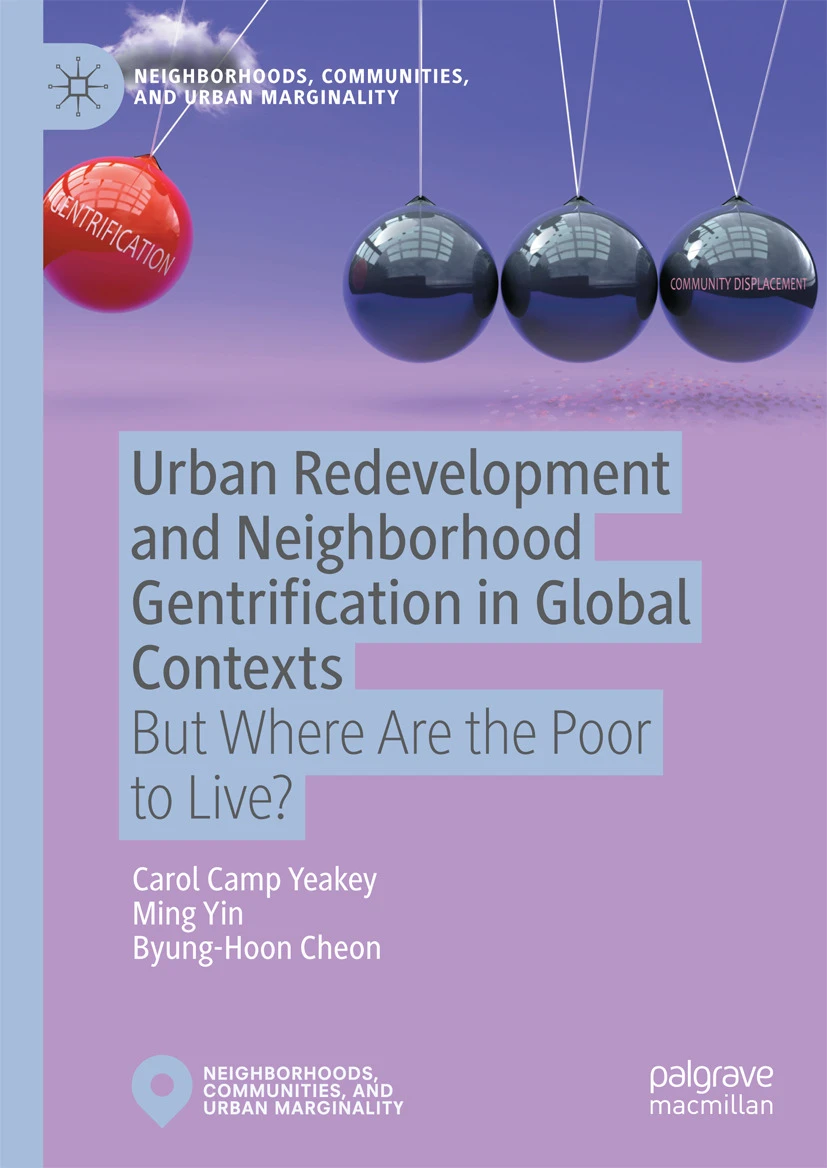
Urban Redevelopment and Neighborhood Gentrification in Global Contexts: But Where Are the Poor to Live?

This book focuses on urban redevelopment and neighborhood gentrification in three global contexts: New York City (USA), London (UK) and Seoul (South Korea). It examines the processes and challenges that impact the various constituencies who live and work in these different global neighborhoods, in comparative contexts. In so doing, the authors explore the complexities wrought by our global economy through globalization and competition, and the rapid pace of urbanization, as they impact urban redevelopment and neighborhood gentrification in global cities. While all societies seek to advance, the volume’s recurring question is cui bono, who benefits from modern day urban redevelopment and neighborhood gentrification, irrespective of geographical setting, and raises the question, “But, where are the poor to live?”

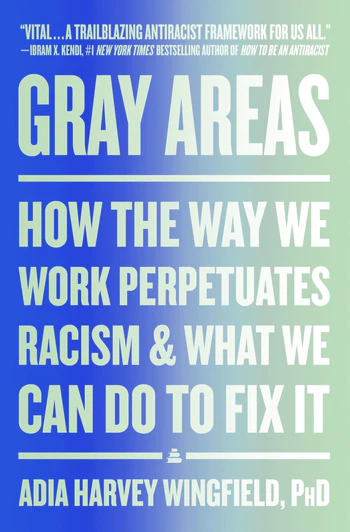
Gray Areas: How the Way We Work Perpetuates Racism and What We Can Do to Fix It (paperback)

Labor and race have shared a complex, interconnected history in America. For decades, key aspects of work—from getting a job to workplace norms to advancement and mobility—ignored and failed Black people. While explicit discrimination no longer occurs, and organizations make internal and public pledges to honor and achieve “diversity,” inequities persist through what Adia Harvey Wingfield calls the “gray areas”: the relationships, networks, and cultural dynamics integral to companies that are now more important than ever. The reality is that Black employees are less likely to be hired, stall out at middle levels, and rarely progress to senior leadership positions.

Wingfield has spent a decade examining inequality in the workplace, interviewing over two hundred Black subjects across professions about their work lives. In Gray Areas, she introduces seven of them: Alex, a worker in the gig economy; Max, an emergency medicine doctor; Constance, a chemical engineer; Brian, a filmmaker; Amalia, a journalist; Darren, a corporate vice president; and Kevin, who works for a nonprofit.

In this accessible and important antiracist work, Wingfield chronicles their experiences and blends them with history and surprising data that starkly show how old models of work are outdated and detrimental. She demonstrates the scope and breadth of gray areas and offers key insights and suggestions for how they can be fixed, including shifting hiring practices to include Black workers; rethinking organizational cultures to centralize Black employees’ experience; and establishing pathways that move capable Black candidates into leadership roles. These reforms would create workplaces that reflect America’s increasingly diverse population—professionals whose needs organizations today are ill-prepared to meet.

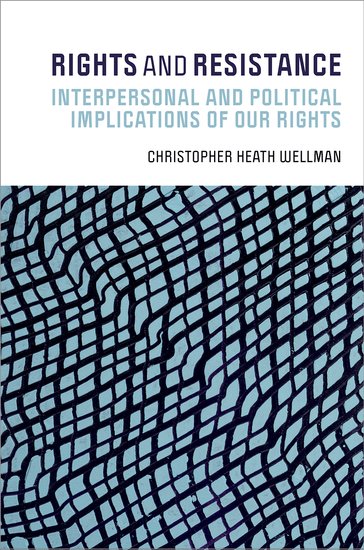
Rights and Resistance: Interpersonal and Political Implications of Our Rights

Rights and Resistance features ten essays by Christopher Heath Wellman on our moral rights, and the measures we may take to protect them. In addition to offering original accounts of various rights, in these essays Wellman considers how we may permissibly enforce our moral claims against others on both the individual and political levels. Virtually everyone agrees that we may defend our rights with only necessary and proportionate force, but should we accept these restrictions even when our resistance would be unnecessary or disproportionate only because a wrongdoer is employing overpowering force? What about citizens who endure political injustice.
Although it is no longer fashionable to insist that we must obey the laws of an illegitimate regime, most theorists remain reluctant to condone forcible resistance against a legitimate government. Given that states can be fully legitimate without being perfectly just, prohibiting resistance against legitimate regimes requires oppressed citizens to simply endure injustices at the hands of the state. How are we exhibiting fidelity to justice if we constrain innocent victims whose moral rights are being trampled in these ways?
This volume analyzes interpersonal issues alongside political questions in the hopes that if we begin with clear, intuitive ideas about interpersonal morality, we might make important progress tackling complex issues in political philosophy. Wellman argues that it is crucial to properly understand our pre-institutional rights and correlative duties. These rights leave space for institutions to create further rights and duties, but they place important limits on the kind of legitimate authority those institutions can possess. Even if conventions play an ineliminable role specifying the contours of our property rights, for instance, the moral dominion we enjoy over our self-regarding affairs restricts what states may do to and require of us. Ultimately, Rights and Resistance challenges us to reconsider the boundaries of moral and political resistance, urging a deeper understanding of the rights and duties that shape our interactions and the limits of state authority.

Fire Ecologies (with Unheard-of Ensemble)

Composer Christopher Stark teams up with the New York based Unheard-of//Ensemble for Fire Ecologies, an expansive paean to the natural world as it faces crisis. Premiered in an immersive performance on the Gowanus Canal in Brooklyn, a superfund site that has been the focus of significant preservation efforts, Fire Ecologies has been presented in locations and contexts that underscore its mission to enhance climate awareness.

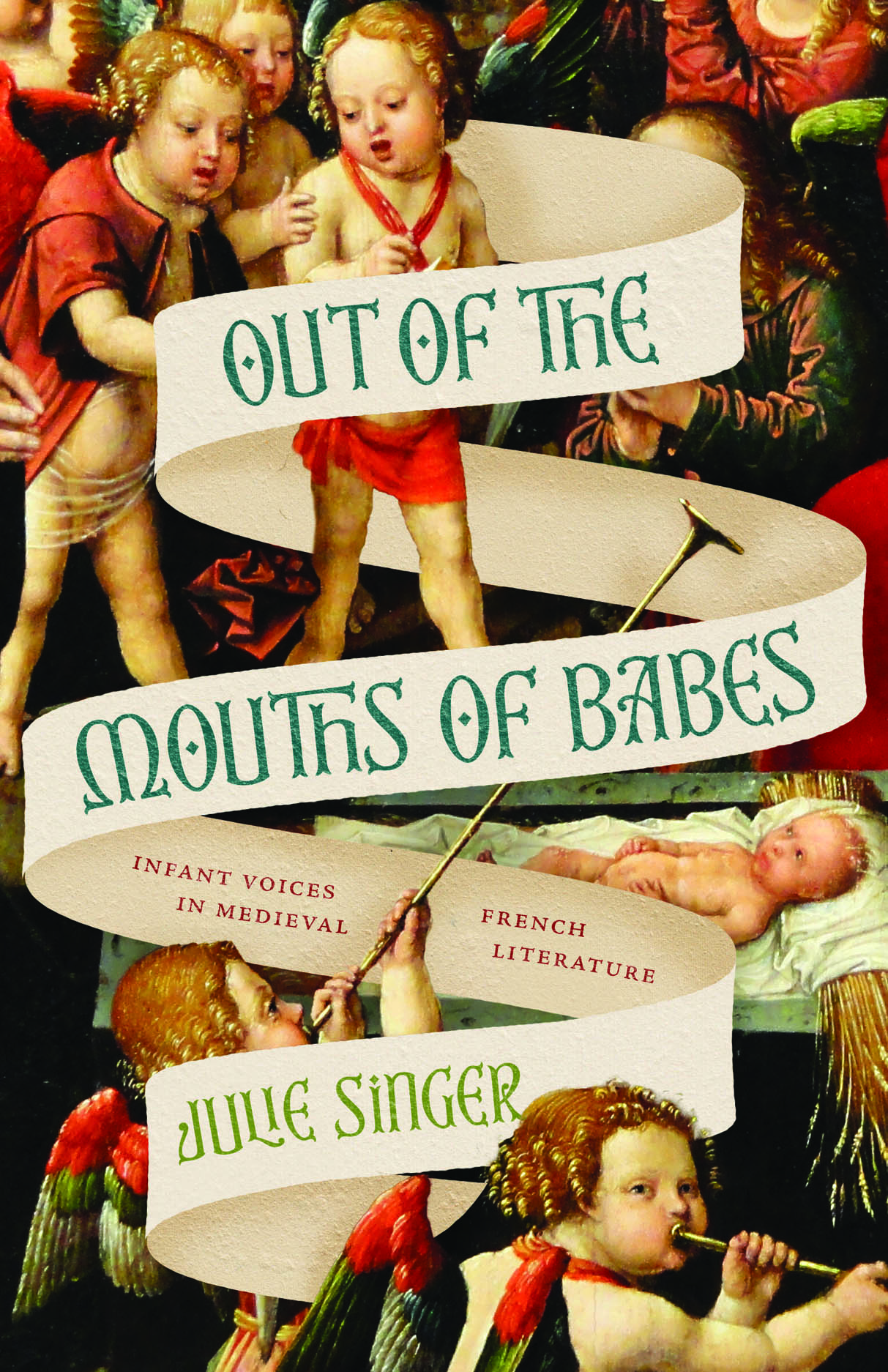
Out of the Mouths of Babes: Infant Voices in Medieval French Literature

Medieval literature is full of strange moments when infants (even fetuses) speak. In Out of the Mouths of Babes, Julie Singer explores the unsettling questions raised by these events, including What is a person? Is speech fundamental to our humanity? And what does it mean, or what does it matter, to speak truth to power?

Singer contends that descriptions of baby talk in medieval French literature are far from trivial. Through treatises, manuals, poetry, and devotional texts, Singer charts how writers imagined infants to speak with an authority untainted by human experience. What their children say, then, offers unique insight into medieval hopes for universal answers to life’s deepest wonderings.

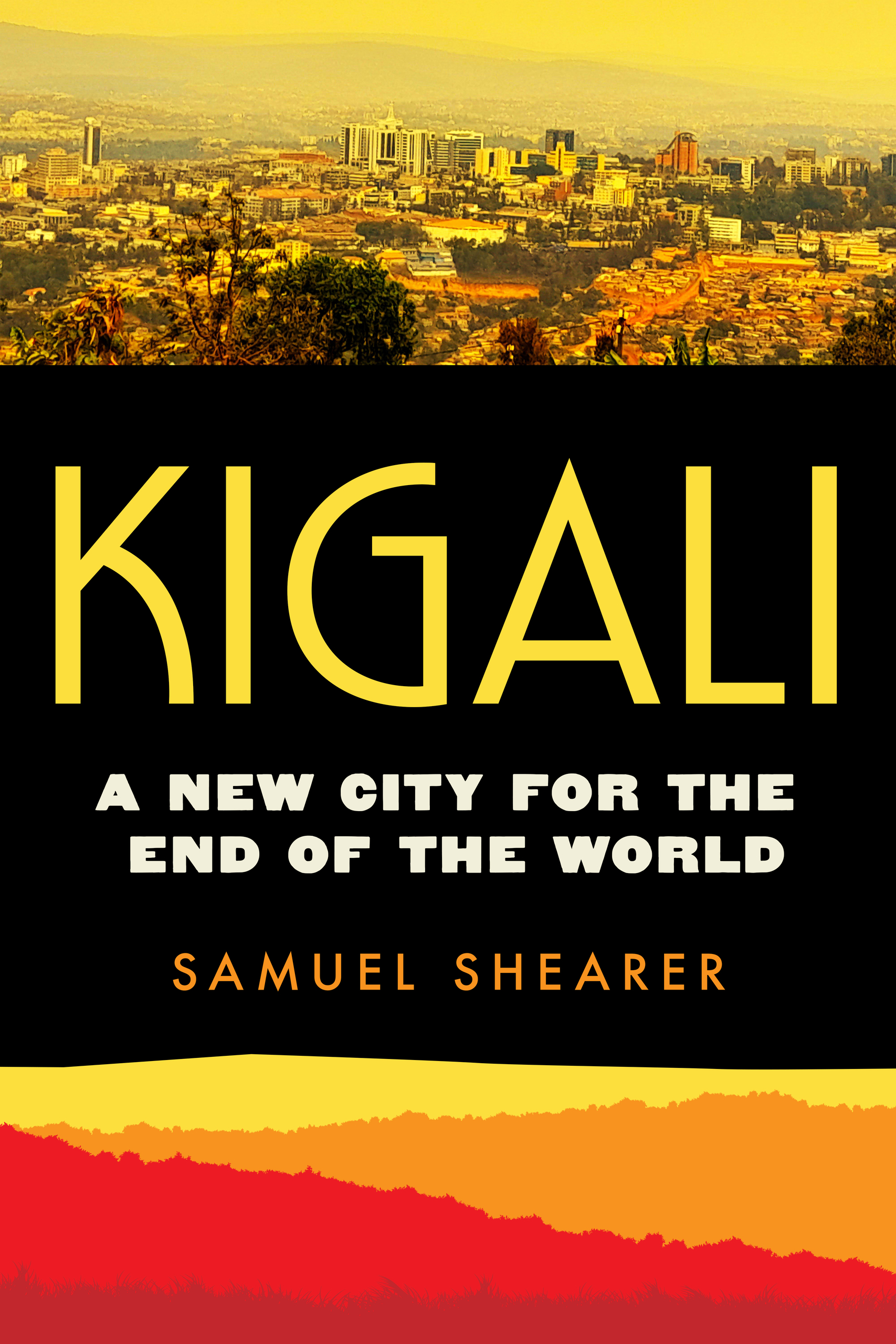
Kigali: A New City for the End of the World

In the first decade of the twenty-first century, the government of Rwanda hired American and Singaporean design firms to transform the image of Kigali from a wounded city into a competitive destination for foreign investment. The firms produced promotional images of a post-conflict tabula rasa waiting to be rebuilt by foreign investors as an urban solution to climate change. However, to make this marketing image real, much of the actual city would need to be destroyed and its residents converted to consumers of green housing and service delivery systems.

Kigali is an ethnography of a city that is being destroyed so that it can be rebuilt for the end of the world. Drawing on years of ethnographic fieldwork with Kigali residents as they navigate the catastrophes induced by sustainable urbanism, this book offers a searing critique of capitalist solutions to climate change and an account of the city’s popular alternatives to sustainable urbanism.

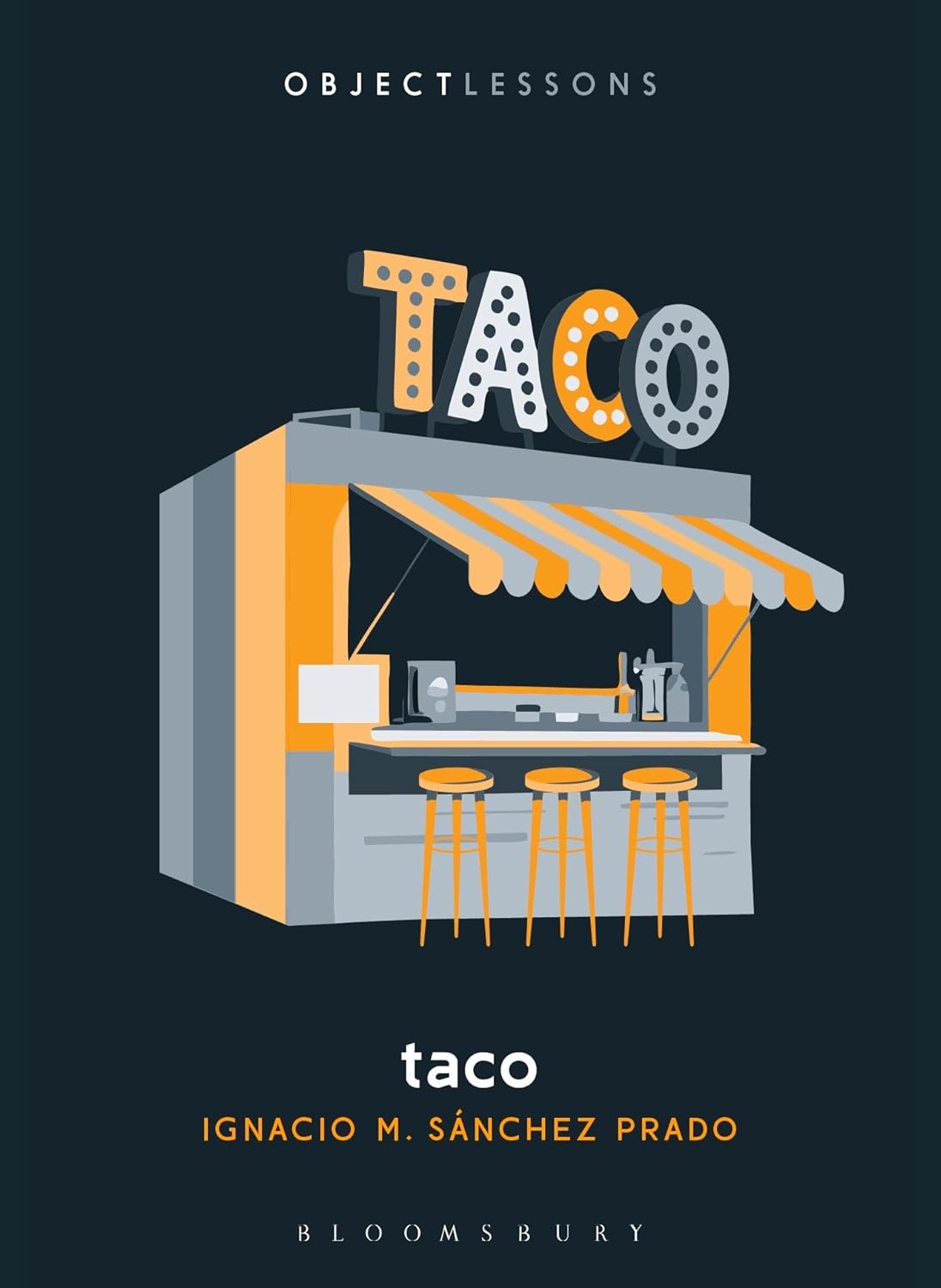
Taco

Taco is a deep dive into the most iconic Mexican food from the perspective of a Mexico City native. In a narrative that moves from Mexico to the United States and back, Sánchez Prado discusses the definition of the taco, the question of the tortilla and the taco shell, and the existence of the taco as a modern social touchstone that has been shaped by history and geography.

Challenging the idea of centrality and authenticity, Sánchez Prado shows instead that the taco is a contemporary, transcultural food that has always been subject to transformation.

Face and Form: Physiognomy in Literary Modernism

Faces, faces, faces – faces everywhere! Modernism was obsessed with the ubiquity of the human face. Thomas Mann, Marcel Proust, Virginia Woolf, Gertrude Stein, and, later, Kōbō Abe framed their literary projects around the question of the face, its dynamic of legibility and opacity. In literary modernism, the face functioned as a proxy for form, memory, intermediality, or difference — and combinations thereof. The old pseudoscience of physiognomy, which assumed faces to be sites of legible meaning, was in the process reconfigured. Modernist faces lost their connection to interiority, but remained surfaces of reading and interpretation. As such, they also became canvases for creative appropriation, what Mina Loy called auto-facial-construction. The modernist overinvestment in faces functions as a warning against the return of physiognomy in contemporary technologies of facial recognition. 

Contemporary Queer Modernism

Contemporary Queer Modernism offers a fresh, interdisciplinary approach to the study of the intersections of queer studies and modernist studies.

The theoretical expansiveness and mutual overlapping of these still-growing fields is both introduced and complicated in the pages of this volume. Presenting a wide range of critical perspectives, the collection brings together original scholarship from both emerging and established scholars that, when read together, demonstrates the continued vitality of queer modernist studies. 

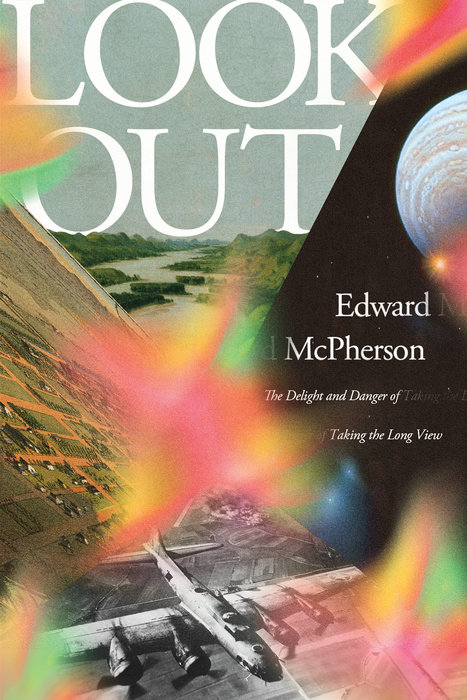
Look Out: The Delight and Danger of Taking the Long View

Look Out is an exploration of long-distance mapping, aerial photography, and top-down and far-ranging perspectives—from pre–Civil War America to our vexed modern times of drone warfare, hyper-surveillance at home and abroad, and quarantine and protest. Blending history, reporting, personal experience, and accounts of activists, programmers, spies, astronauts, artists, inventors, and dreamers, Edward McPherson reveals that to see is to control—and the stakes are high for everyone.

The aerial view—a position known in Greek as the catascopos, or “the looker-down”—is a fundamentally privileged perspective, inaccessible to those left on the ground. To the earthbound, (in)sights from such rarified heights convey power and authority. McPherson casts light on our fetishization of distance as a path to truth and considers the awe and apocalypse of taking the long view.

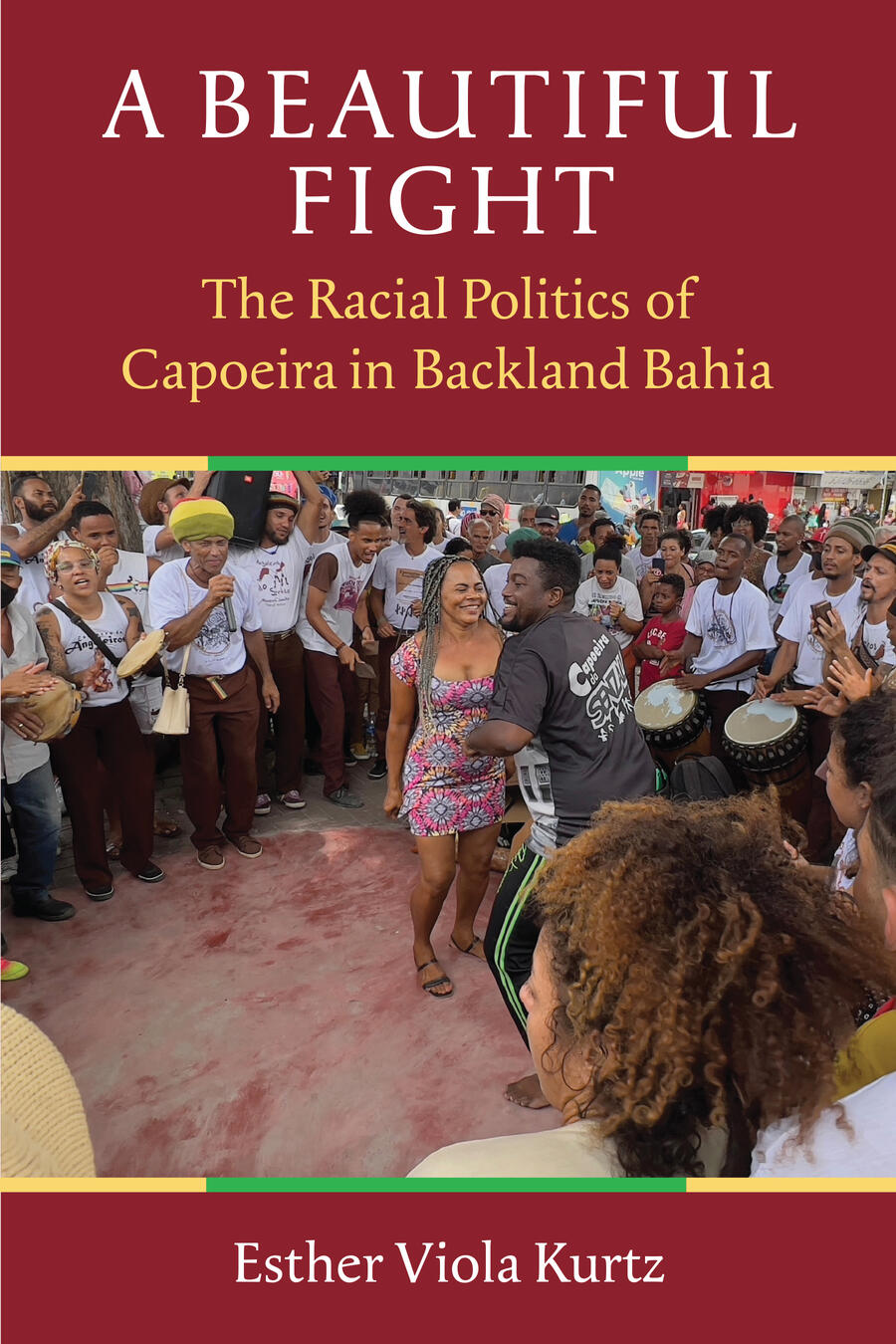
A Beautiful Fight: The Racial Politics of Capoeira in Backland Bahia

A Beautiful Fight examines the potentials and limits of capoeira Angola to cohere a multiracial community committed to antiracist struggle. Capoeira, a musical fight-game that originated among enslaved Africans in Brazil, holds special significance for Black Brazilian activists as a spiritual and political practice that affirms the value of Black lives, thus countering anti-Black violence sanctioned by the Brazilian state. However, many capoeira groups count more white practitioners than Black, especially groups of the politicized, Afrocentric style capoeira Angola, raising debates about appropriation of Black culture that resonate across the Americas. A Beautiful Fight addresses these tensions.

Drawing on ethnographic research with a multiracial capoeira Angola group in Brazil’s Bahian sertão or backlands, Esther Viola Kurtz explores diverse group members’ understandings of capoeira’s spiritual and political meanings and considers how white participation impacts capoeira’s antiracist politics. A Beautiful Fight argues that white practitioners occupying space in capoeira divert attention from Black members’ concerns and reproduce racist and colonialist ideologies, albeit unintentionally. In this way, the book complicates claims that shared music and dance bridge differences and facilitate cross-racial unity, yet Kurtz proposes that capoeira still transmits knowledge and tools that, when used with intention, commitment, and care, can be wielded to collaboratively contest racism and imagine a more just world.

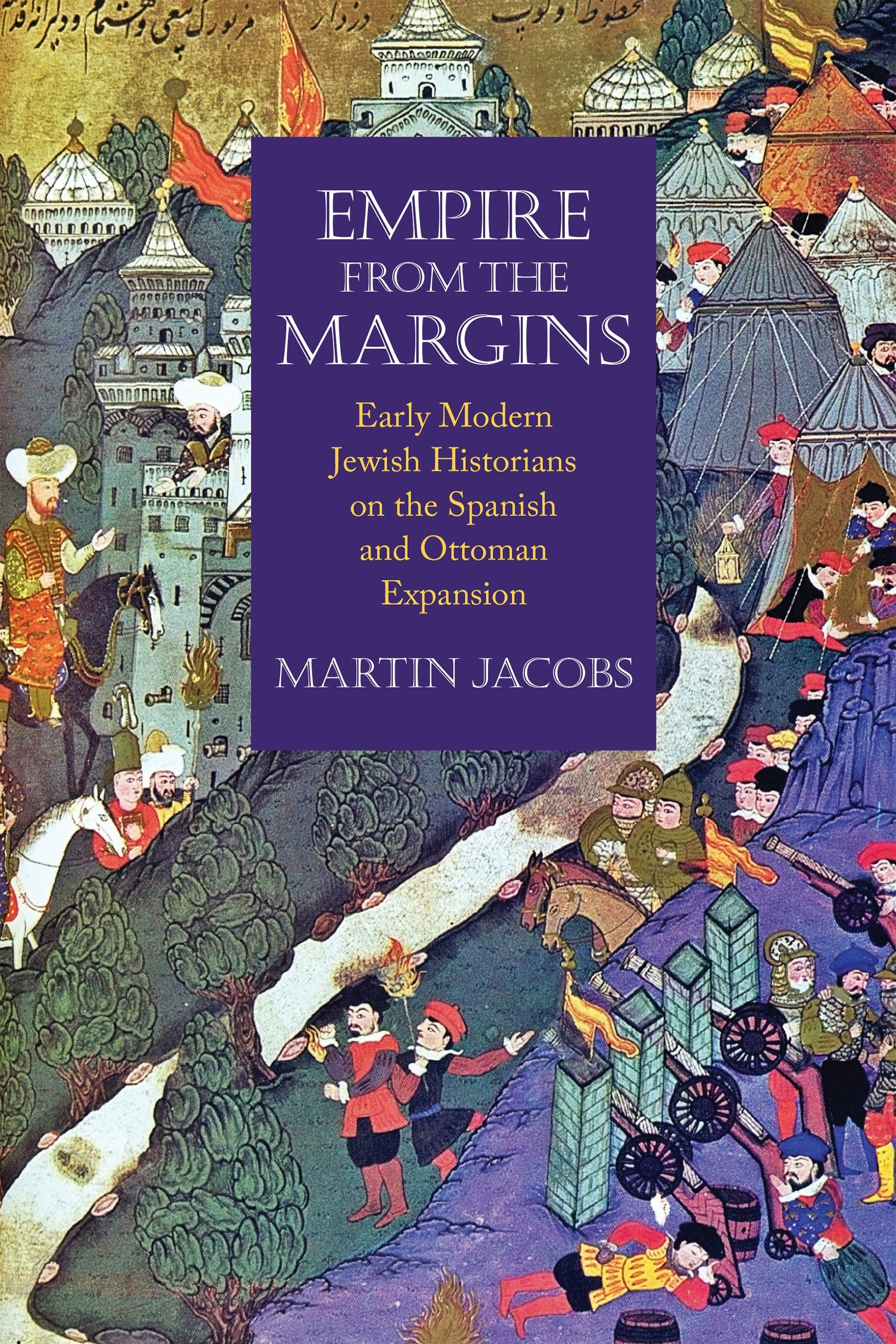
Empire from the Margins: Early Modern Jewish Historians on the Spanish and Ottoman Expansion

In 1492, the year that marked the start of Spain’s transatlantic expansion, the Spanish monarchs expelled their Jewish subjects and triggered a mass Jewish migration to the lands of the Ottoman Empire. But while the rise of these rival empires had tremendous impact on the Jewish population’s geography, the historical accounts of contemporary Jews have remained peripheral to the study of early modern imperialism.

In Empire from the Margins, Martin Jacobs seeks to understand how the history of empires appears through the lens of marginalized communities and to explore how Jews responded to Spanish and Ottoman imperial expansion. He approaches this history through the Hebrew chronicles of three sixteenth- and seventeenth-century Jewish authors. Elijah Capsali of Crete, Joseph ha-Kohen of Genoa, and Joseph Sambari of Cairo all lived in early modern hubs with global connections, and—in unusual detail for premodern Jewish historians—they described how the Spanish and Ottoman empires redrew the political, cultural, and religious map of the Mediterranean region while simultaneously transforming the transatlantic world.

As Jews, these writers belonged to an ethno-religious minority within the Mediterranean basin where the Spanish and Ottoman empires were centered, and from here they expressed marginalized views on the Spanish and Ottoman regimes. At the same time, these Jewish authors belonged to Jewish networks that transcended imperial boundaries, and they voiced conflicting loyalties between different authorities and cultures. And Jacobs shows that, in writing about the Spanish and Ottoman expansion, these authors also grappled with the Jews’ precarious position in their host societies and their own multilayered identities. Their shifting positionalities illuminate the divided allegiances of a Jewish diaspora living in and between competing empires.

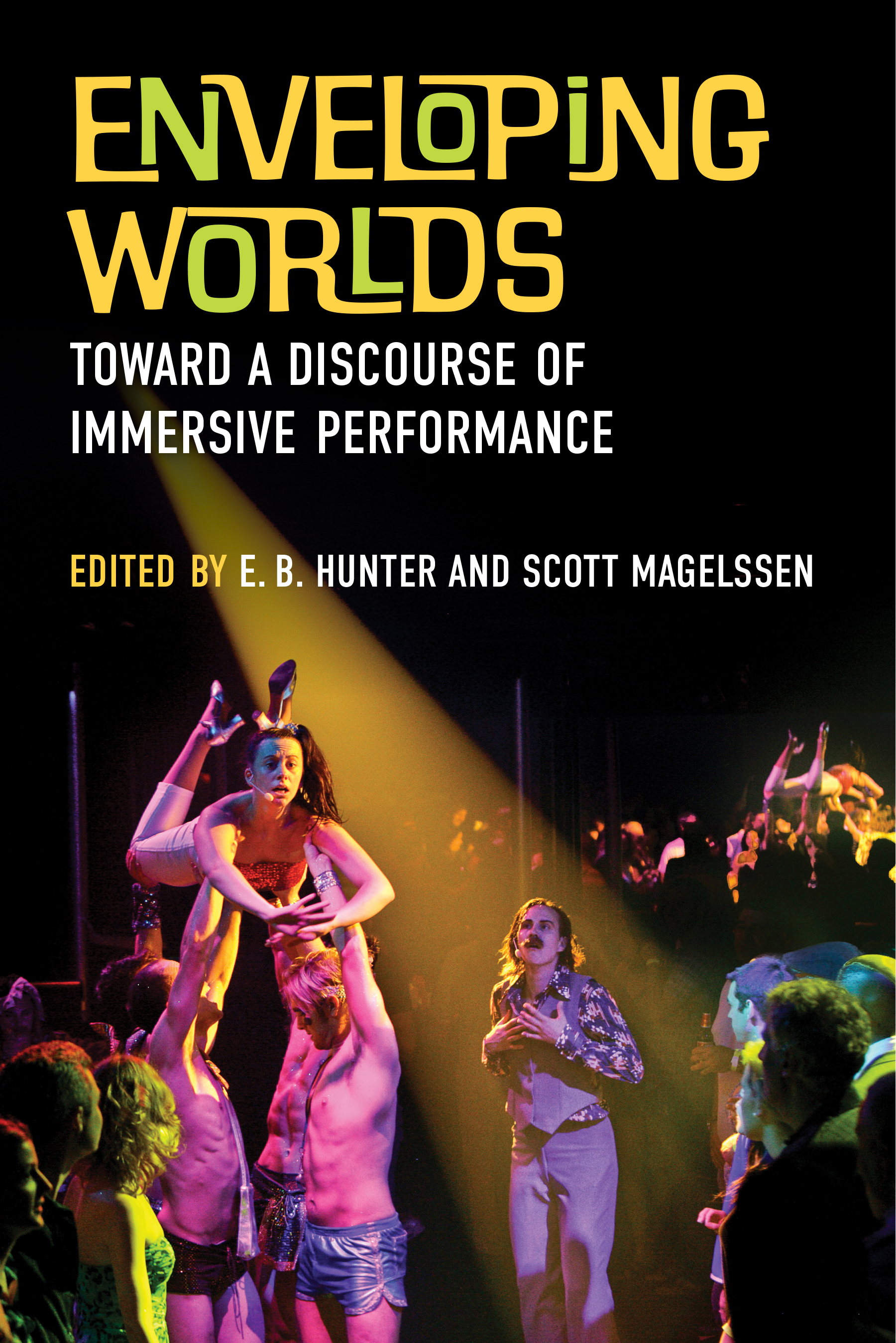
Enveloping Worlds: Toward a Discourse of Immersive Performance

Enveloping Worlds is a collection of essays that analyzes the phenomenon of immersive, participatory performance as it has developed in the US. As this collection demonstrates, immersive performance offers three-dimensional multisensory experiences, inviting audience members to be participants in the unfolding of the story, and challenging pre-existing ideas about the function of performance and entertainment. Enveloping Worlds questions audience agency and choice, the space and boundaries of performance, modes of immersion, empathy and engagement, and ethical considerations through fifteen essays.

Case studies in the volume include the Choctaw Cultural Center in Oklahoma and Choctaw sovereignty; a Black artist’s autoethnographic performance challenging White audiences’ entitlement to full inclusion; Immersive Van Gogh experiences and their scenographers; telephone performance during the COVID-19 lockdowns; Diane Paulus’s The Donkey Show; the Battle of Atlanta panorama; an antebellum-themed department store display from the 1920s; escape rooms; Disney Parks; remotely staged plays about aging and dementia; tiki bars; anachronistic costuming at Renaissance Festivals; the technologies that shape the boundaries of immersive worlds; and tabletop role-playing games. Taken together, these essays contribute a rich discussion of immersive performance across radically different contexts, offering analytical models and terminology with which to clarify and advance this emergent discourse.

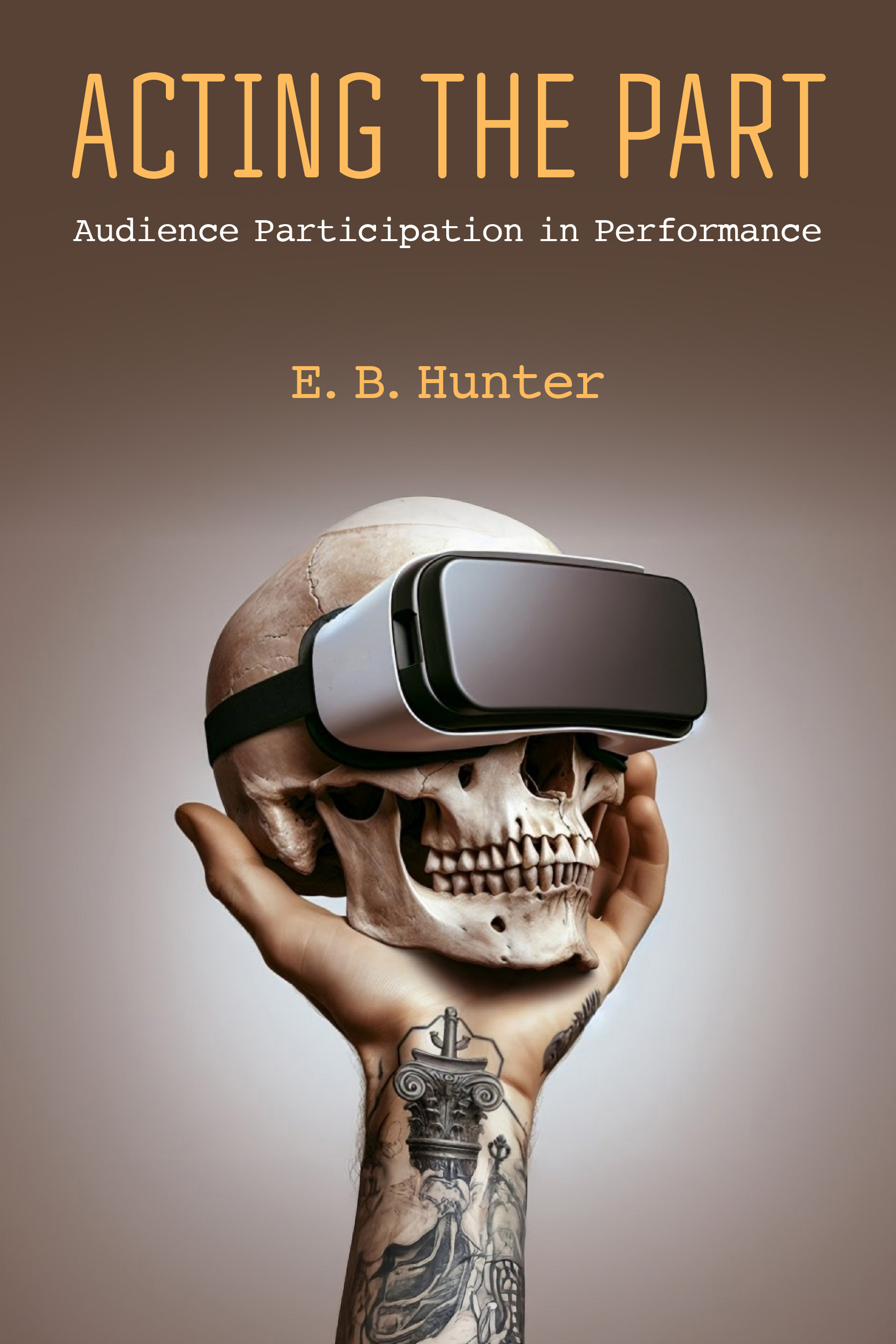
Acting the Part: Audience Participation in Performance

Acting the Part offers a paradigm for understanding how audiences participate in immersive theater, from physical spaces like the Globe in London to digital spaces like social virtual reality. Reading across twenty-first century productions of ancient Greek tragedies and William Shakespeare’s plays, Hunter proposes the concept of “enactivity” to describe the positionality audiences inhabit when their participation is critical to the narrative but cannot alter its intended course. This positionality is that of the archetype, the enactment of which is shaped by four production conditions: a historically resonant site, a canonical source, an immersive space, and a production-specific economy that incentivizes some behaviors and discourages others. At the heart of Acting the Part is a framework for identifying how a production’s management of these conditions gives rise to a range of archetypes, such as worshiper, sleuth, cinematographer, and others. Against the backdrop of an ever-increasing push for audience participation, Acting the Part sheds new light on the many ways in which productions shape that participation in real time.

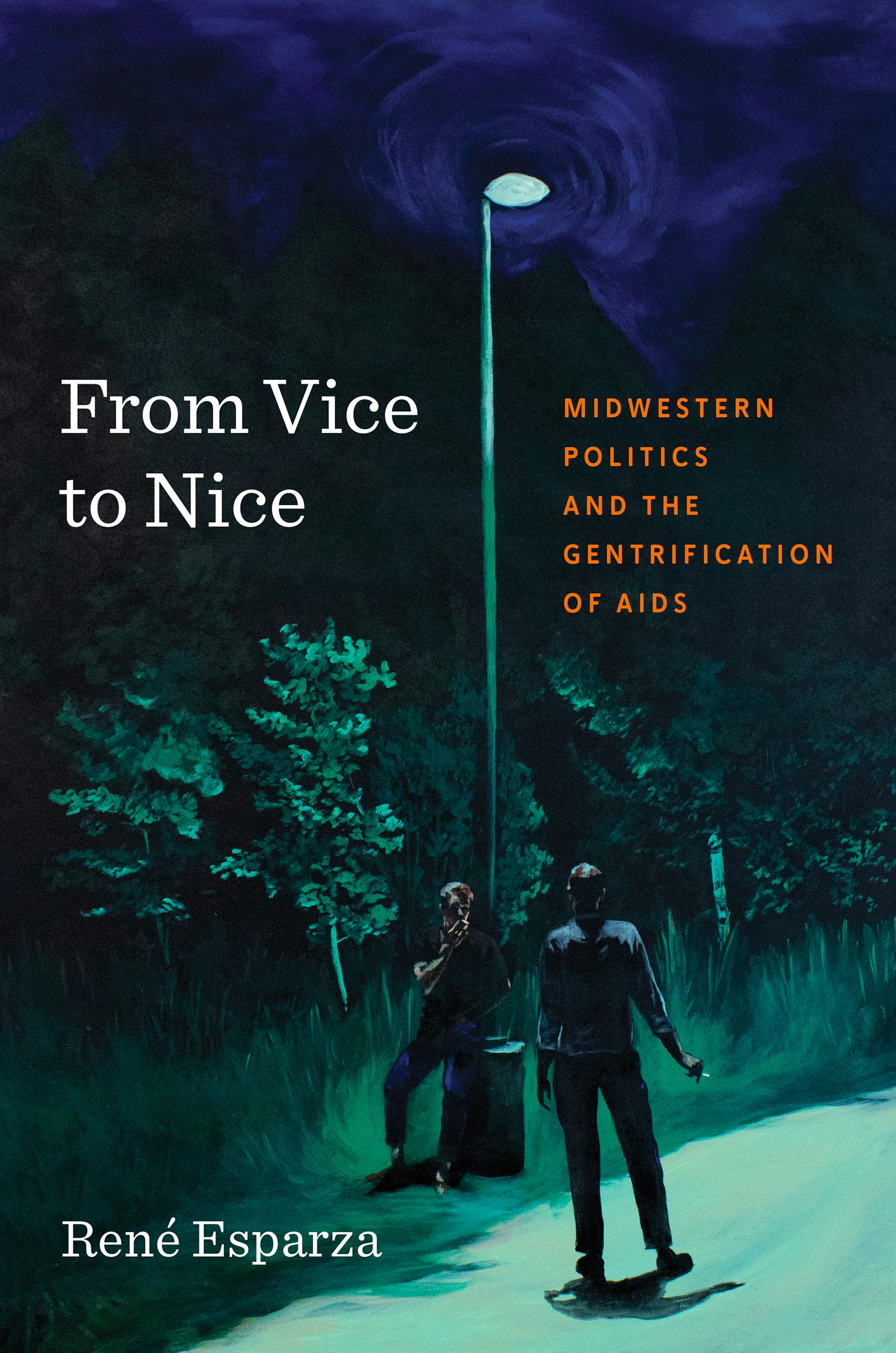
From Vice to Nice: Midwestern Politics and the Gentrification of AIDS

Shifting the focus of AIDS history away from the coasts to the Twin Cities of Minneapolis and St. Paul, this impressive book uncovers how homonormative political strategies weaponized the AIDS crisis to fuel gentrification. During the height of the epidemic, white gay activists and politicians pursued social acceptance by assimilating to Midwestern cultural values. This approach, René Esparza argues, diluted radical facets of LGBTQ activism, rejected a politics of sexual dissidence, severed ties with communities of color, and ushered in the destruction of vibrant queer spaces.

Drawing from archival research, oral histories, and urban studies from the 1970s through the 1990s, Esparza illustrates how the onset of the AIDS epidemic provided a pretext for further criminalization of perceived sexual deviance, targeting sex workers, “promiscuous” gay men, and transgender women. More than the criminalization of people and behaviors, this time period also saw increased targeting of urban venues such as bathhouses, adult bookstores, and public parks where casual, anonymous encounters occurred. Cleansing the city of land uses that undermined gentrification became a protective measure against AIDS, and the most marginalized bore the brunt of the ensuing surveillance and displacement. From Vice to Nice illuminates how, despite purporting seemingly progressive values, LGBTQ Midwestern politics of conformity leveraged the AIDS crisis to further instigate racial and sexual exclusion and fundamentally alter the urban landscape.

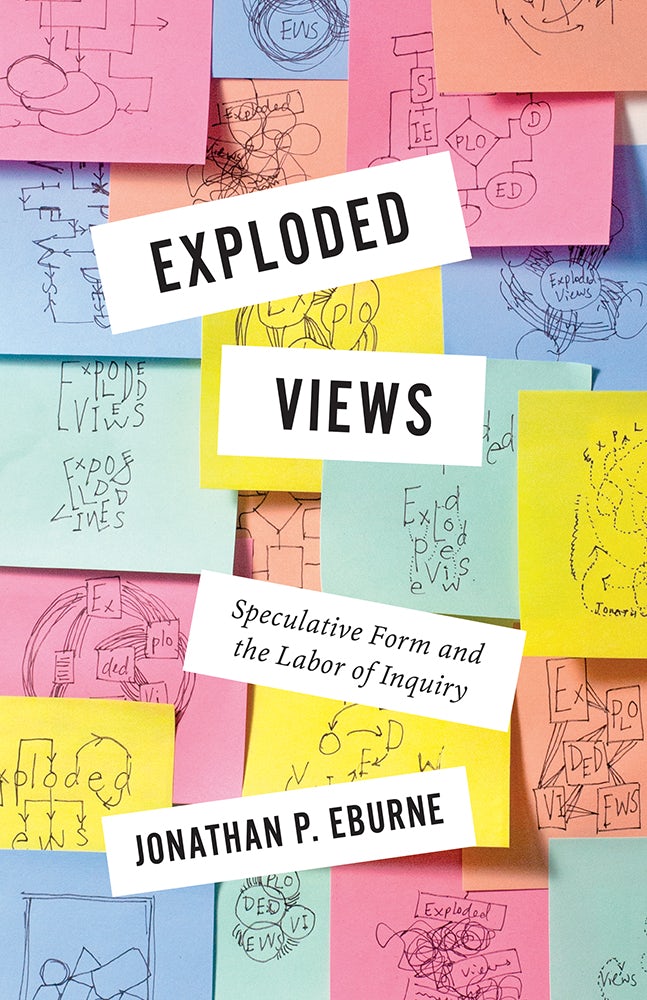
Exploded Views: Speculative Form and the Labor of Inquiry

Insect galls, time, memory systems, orgone energy, and a bookstore that doesn’t yet exist. These disparate topics have persistently fascinated scholar Jonathan P. Eburne, yet each defied his previous efforts at classification through scholarly writing, resulting in five essays suspended in process. In Exploded Views, Eburne returns to these essays with the metaphorical tool of the exploded-view diagram, expanding them into entirely new, hybrid forms that unpack their inspirations and trace the wayward paths they followed.

An experiment into the nature of inquiry that spelunks, rather than shies from, the rabbit holes of scholarly curiosity, each essay gives way to sidelights and dilations to reveal the palimpsest of knowledge hiding beneath the surface of the academic form. A book about process—the process of turning ideas into things, and vice versa, as well as the particular tendency for research, scholarly inquiry, and critical writing to come apart and go awry—Exploded Views is a refreshing exploration of how the tools of creative critical thinking work at their most basic level.

Reflecting on the methods of scholarly knowledge production and the contextual factors that shape new ideas, Eburne boldly replaces the seamlessness of the finished manuscript with the friction and even messiness of the incomplete, inviting readers to think in new and invigorating ways.

Play Harder: The Triumph of Black Baseball in America

No sport has been more associated with America’s sense of itself, with its identity, than baseball. No sport has been so inextricably bound with America’s traditions—with its notions of democracy and fair play—than baseball. And no professional sport in America has been as dramatically connected to social change as Major League Baseball when it became racially integrated the moment Jackie Robinson took the field with the Brooklyn Dodgers on April 15, 1947.

Play Harder comes at a time when the history of Black baseball has become especially relevant—following MLB’s recent recognition of the Negro Leagues as major leagues and the effort to incorporate statistics from the Negro Leagues into those for all players. Before Robinson, as Play Harder shows, Black athletes played baseball as far back as the 1800s even before the establishment of the Negro Leagues. But once founded in 1920, the Negro Leagues gave Black Americans an inroad to baseball that would be enduring and profound. The leagues were an instrument of community building during a time when discrimination separated Black people from all white enterprises, including baseball, and they paved the way for racial integration that Black players hoped would come.

Play Harder showcases the Black stars of the game—those from baseball’s early years such as Moses Fleetwood Walker and Rube Foster; Negro Leagues stars like Satchel Paige and Cool Papa Bell; Jackie Robinson and those who crossed the color line after him, like Hank Aaron and Willie Mays, followed by Frank Robinson and Curt Flood; and the stars who ushered in today’s game, such as Reggie Jackson, Dave Winfield, Barry Bonds, and Ken Griffey, Jr. Playing out against the cultural and political events of 150 years, the story bears witness to the richness of this country’s diversity while remaining clear-eyed about the racial injustice endured by Black Americans. In the end, Play Harder celebrates the triumph of some of baseball’s greatest players and their remarkable contributions to the game we know and love today.

Faith, Family, and Flag: Branson Entertainment and the Idea of America

Branson, Missouri, the Ozark Mountain mecca of wholesome entertainment, has been home to countless stage shows espousing patriotism and Christianity, welcoming over ten million visitors a year. Some consider it “God’s Country” and others “as close to Hell as anything on Earth.” For Joanna Dee Das, Branson is a political, religious, and cultural harbinger of a certain enduring dream of what America is. She takes Branson more seriously than the light-hearted fun it advertises—and maybe we should too.

For Das, Branson’s performers offer visions of the American Dream that embody a set of values known as the three Fs: faith, family, and flag. Branson boosters insist that these are universal values that welcome all people; the city aims to capture as many tourists as possible. But over the past several decades, faith, family, and flag have become markers of contemporary conservatism. The shows and culture of Branson, for all their fun and laughter, have been a galvanizing political force for white, working- and middle class, Christian Americans. For social and economic conservatives alike, Branson is practically proof-of-concept for America as they want it to be.

Faith, Family, and Flag is a comprehensive history of the Branson entertainment industry, within the context of America’s long culture wars. Das reveals how and why a town known for popular entertainment, a domain associated most often with the political left (“Hollywood liberals”), came to be so important to the political right and its vision for America.

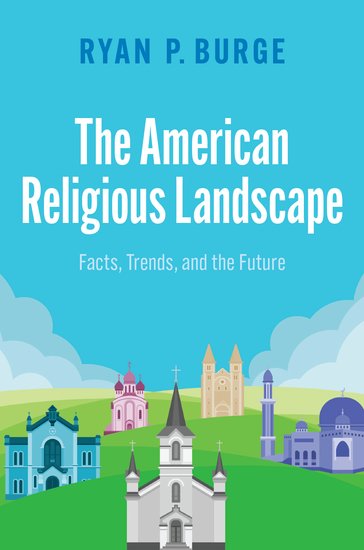
The American Religious Landscape: Facts, Trends, and the Future

At its founding, the United States was an overwhelmingly Protestant country. However, over the last 250 years, it has become increasingly diverse with tens of millions of Catholics, millions of Latter-day Saints, Muslims, Hindus, and Jews, alongside a rapidly increasing share of Americans who claim no religious affiliation at all.

The American Religious Landscape uses an in-depth statistical analysis of large datasets to answer foundational questions about this diversity, such as: How many Hindus are there in the US? Which state has the highest concentration of Muslims? Are atheists more highly educated than the general population? How many Roman Catholics attend Mass weekly? It focuses on the overall size, geographic distribution, and demographic composition of twelve different religious groups in short and accessible chapters that, taken together, serve as a basic introduction to the state of religion in America. Through dozens of charts, graphs, and maps—designed for readability and clarity—readers will be left with a solid understanding of the contours of contemporary American religion and what it could look like in the future.

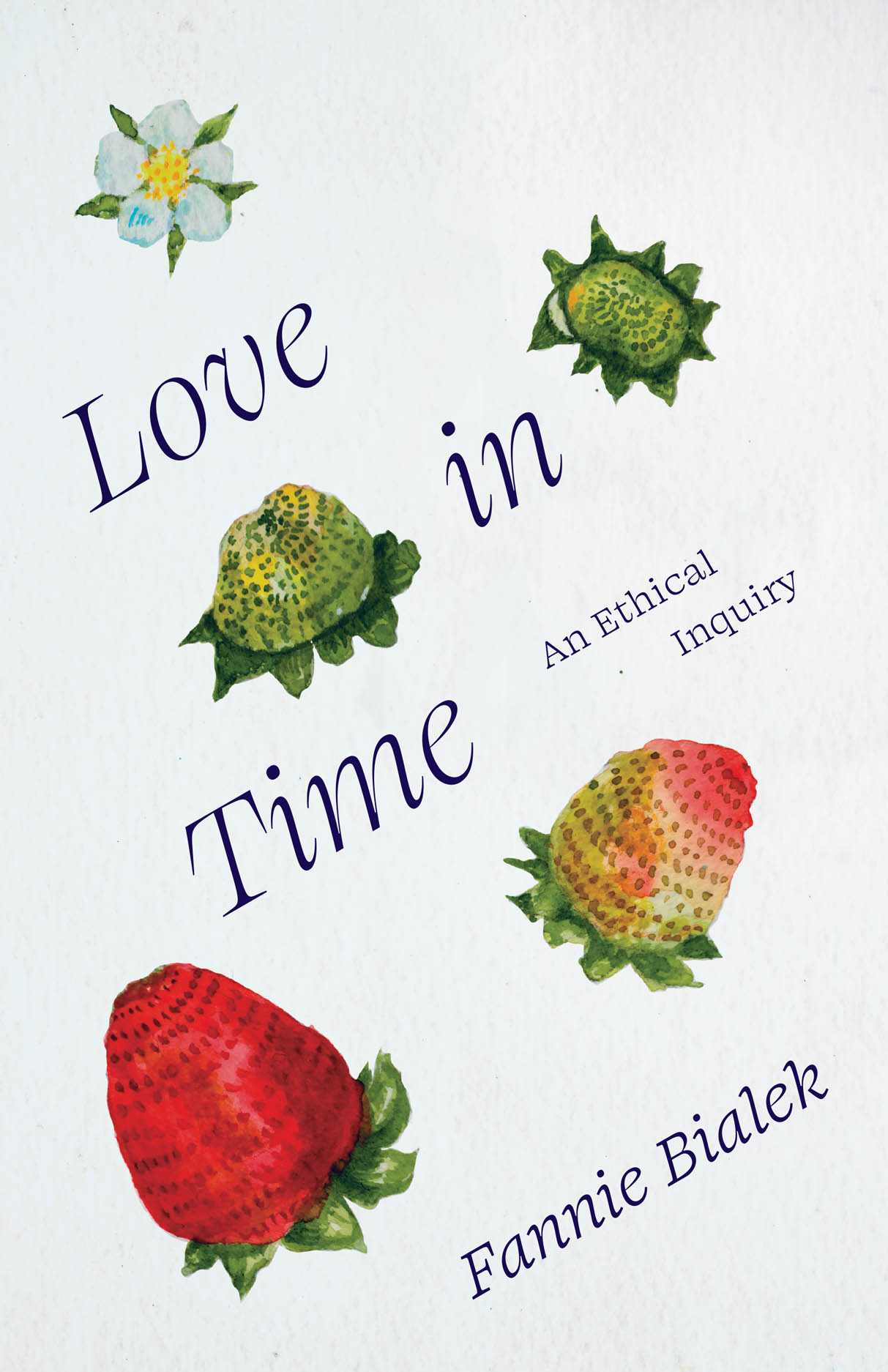
Love in Time: An Ethical Inquiry

We live in time, and so we love in time. Our beloveds change, and we change beside them. Sometimes we change apart, but it is this very changeableness, the braving of an unknown future together, that endears us to our lovers. Far from an ideal of constancy and commitment, then, love is an endeavor fraught with uncertainty.

In this book, Fannie Bialek sketches a view of love that does not ignore the vagaries of life but embraces them. In contrast to philosophical and religious attempts to secure love against finitude, Bialek’s love embraces its susceptibility to change and accepts the ethical challenges such change introduces. Attentive to our deepest vulnerabilities, Bialek develops a fresh ethics of love grounded by our humility before time.

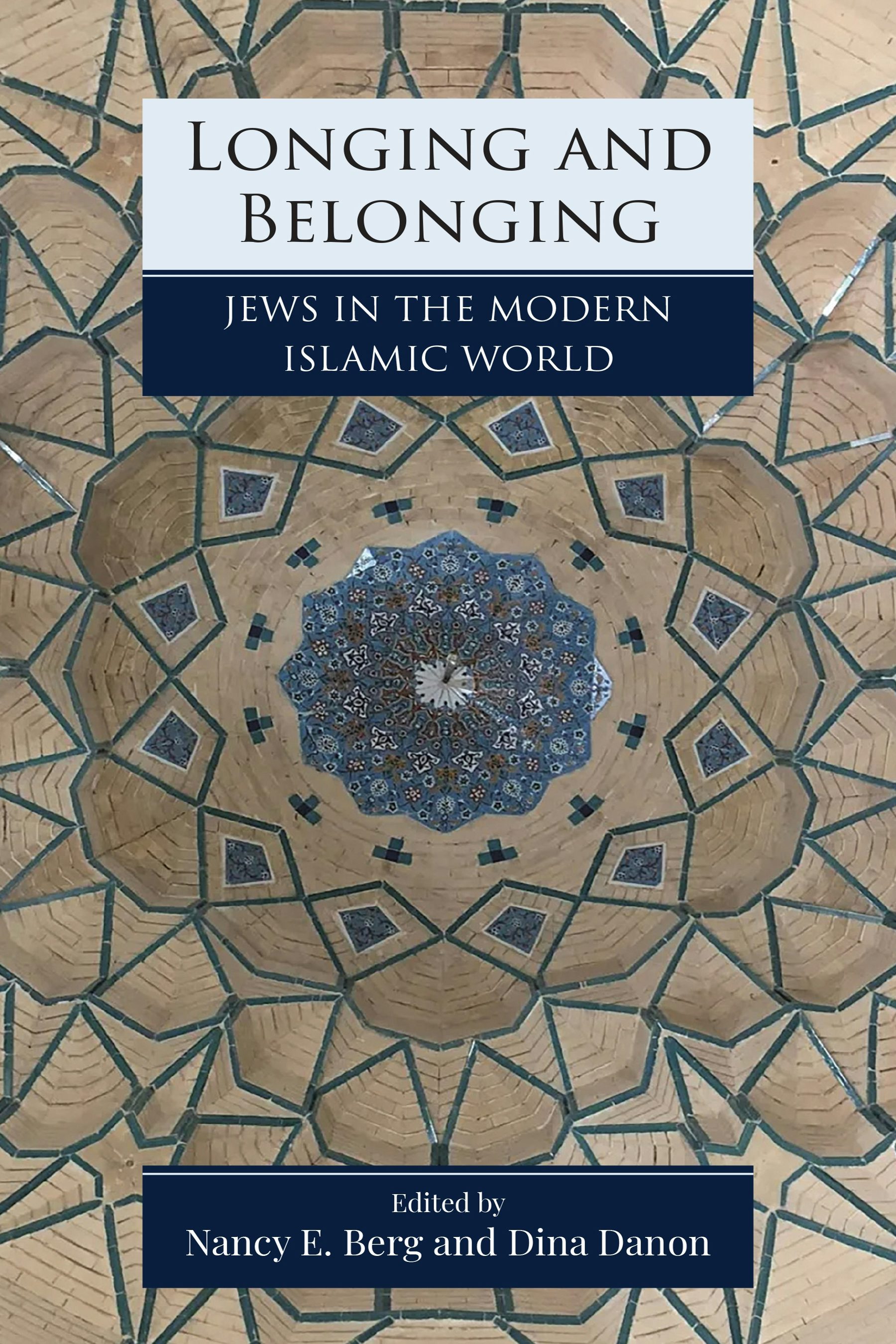
Longing and Belonging: Jews in the Modern Islamic World

Longing and Belonging investigates the lives of Jews among Muslims in the modern age, both inside and outside the Ottoman Empire and after its demise. Here, modern Jewish protagonists are revealed as active participants in an expansive Islamic civilization, reflecting a mutuality and cross-fertilization in the region that raises new lines of inquiry and which offers enduring lessons for the world today. This collection both foregrounds the experiences of Jewish communities that have long been relegated to the margins of historical and literary studies and, critically, uses these experiences to complicate prevailing narratives from both Jewish and Middle Eastern Studies. By following communities from the coffeeshops of Cairo to the villages of Yemen, from the local marriage market in Izmir to the global commerce of the Sassoons, readers gain intimate insight into a world that resists a simple understanding of the modern Islamic world and of the place of Jews within it. Just as much as the Sephardi and Mizrahi experience complicates prevailing paradigms in the study of Jewish modernity, so too does it enrich understandings of modernity across Muslim societies. The volume tells a story of longing, belonging, and longing to belong, of multiple affinities in a world that no longer exists.

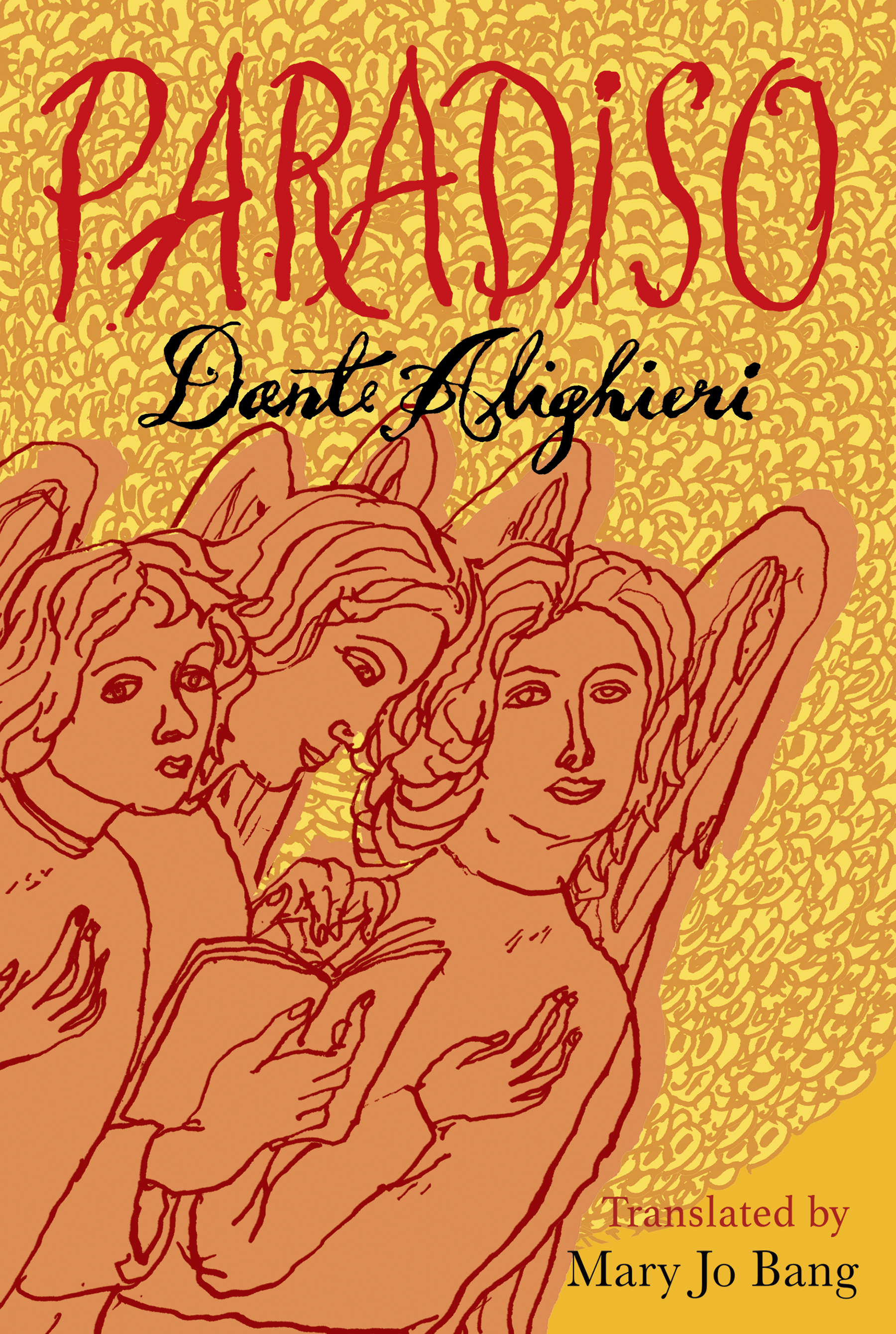
Paradiso by Dante Alighieri

Mary Jo Bang’s translation of Paradiso completes her groundbreaking new version of Dante’s masterpiece, begun with Inferno and continued with Purgatorio. In Paradiso, Dante has been purified by his climb up the seven terraces of Mount Purgatory, and now, led by the luminous Beatrice, he begins his ascent through the nine celestial spheres of heaven toward the Empyrean, the mind of God. Along the way, we meet the souls of the blessed—those at various proximities to God, but all existing within the bliss of heaven’s perfect order. Philosophically rich, spiritually resonant, Paradiso is a reckoning with justice and morality from a time of ethical questioning and political division much like our own.

Bang’s translation is a revelation in its artistry, readability, and faithfulness to Dante’s ambition for an epic poem that dares to employ language and references recognizable to its readers. In her lyric style and her illuminating and generous notes, Bang has made The Divine Comedy for the twenty-first century.

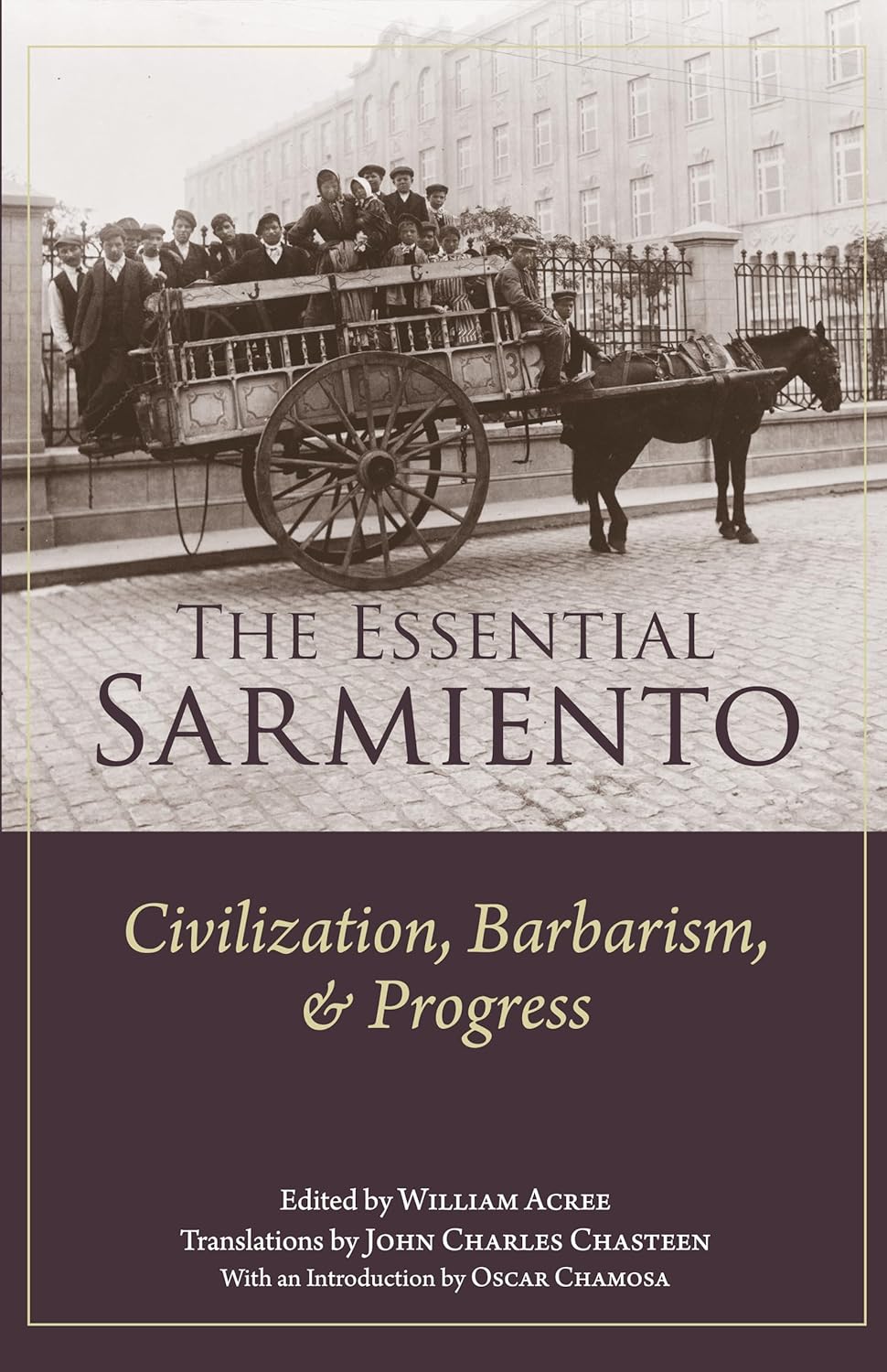
The Essential Sarmiento: Civilization, Barbarism, and Progress

“Domingo Sarmiento is a rhetorical and political giant whose garrulous, colorful, and troubling ideas about race, violence, politics, and literature have fascinated Spanish-language readers for over a hundred and fifty years. Thanks to William Acree's brilliant selection of writings and annotations, the sparkling translations of John Charles Chasteen, and Oscar Chamosa's excellent critical Introduction, readers of English can finally encounter this larger-than-life writer who was deeply committed to documenting his historical moment and assessing social and political ills. This book is a major—and long overdue—contribution to Latin American Studies.”

— Christopher B. Conway, University of Texas at Arlington

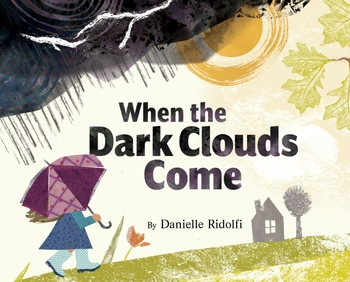
When the Dark Clouds Come

With a stirring narrative and remarkable collage artwork, When the Dark Clouds Come draws on the lessons of the natural world to assure readers that, although tough times and difficult emotions may appear suddenly like a stormy sky, the sun is never far behind. Drawing on her background in clinical psychology, Danielle Ridolfi utilizes color shifts, sprawling landscapes, and lyrical text to show readers the beauty and relatability of nature.

When the Dark Clouds Come is ideal for reading aloud and is a book kids and caregivers will turn to again and again for comfort.

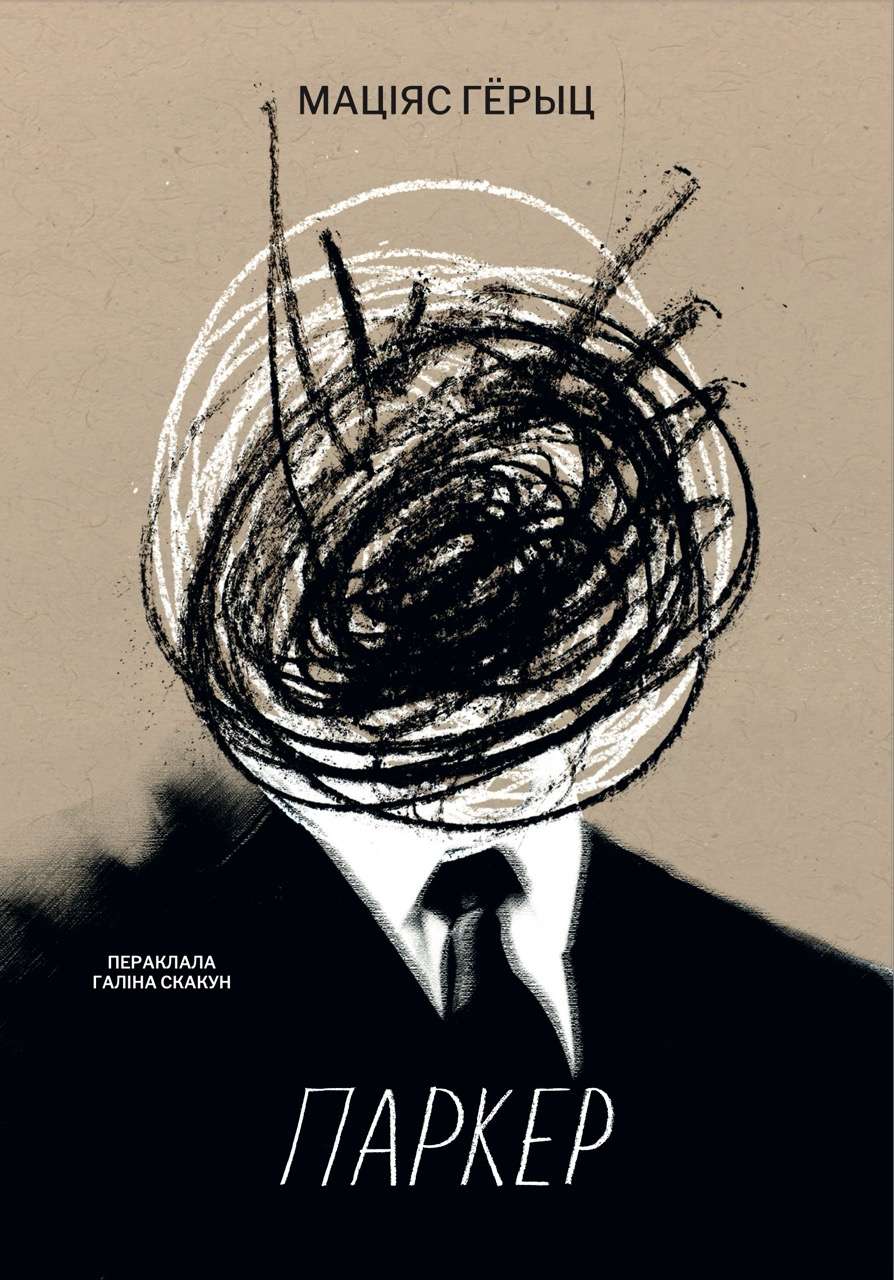
Parker

New Belrussian translation

Parker has only one week. A friend, a political veteran in Schleswig-Holstein, has invited him to Kiel to assist the young, promising politician Mahler as a media consultant and speechwriter. Parker needs success, a contract, the money. And he needs a fresh start. Thanks to a bestselling book on coaching, Parker became an internationally renowned rhetoric expert who even contributed to Obama's presidential campaign. But that was a long time ago. Parker has also reached a turning point in his personal life. Having fled his roots and past in Hamburg for the USA as a student, this globally connected work nomad constantly avoids intimacy in his private life as well. His last girlfriend kicked him out for it. And now in Kiel, Anneli Schneider, the ambitious and battle-tested employee of his client Mahler, presents him with one challenge after another. In his new novel, Matthias Göritz tells a gripping and profound story of a perfidious intrigue, of power and love, of the irresistible allure of advancement and its price.

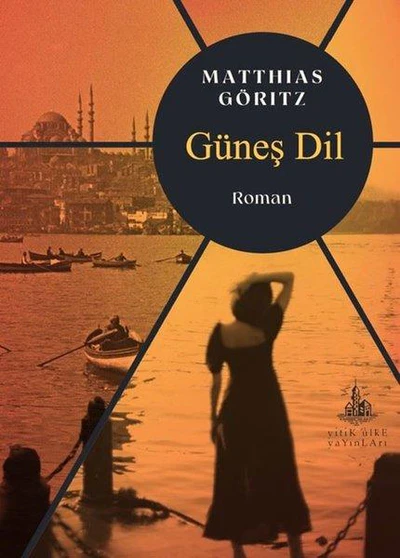
The Language of the Sun

New Turkish translation

The young American Lee, restless and recently separated, travels to Istanbul in search of her grandmother’s past. Helene Bischoff, a German Jew, had sought refuge there in the 1930s from persecution by the Nazi regime. At that time, Kemal Atatürk generously offered asylum to Jews in Turkey, primarily targeting intellectuals, engineers, doctors, and lawyers who were to help drive the radical modernization of Turkey.

In Istanbul, this historically rich and sprawling megacity between East and West, Lee discovers that her grandmother’s former companion and one-time lover, the journalist and agent Georg Naumann, is still alive, well over a hundred years old. What connects him to Helene, and perhaps even to her, Lee? In this gripping, multifaceted novel, we experience the violence of history, the power of love, and Istanbul as both a labyrinth and a refuge. Informative and sensual—the great new novel by Matthias Göritz.