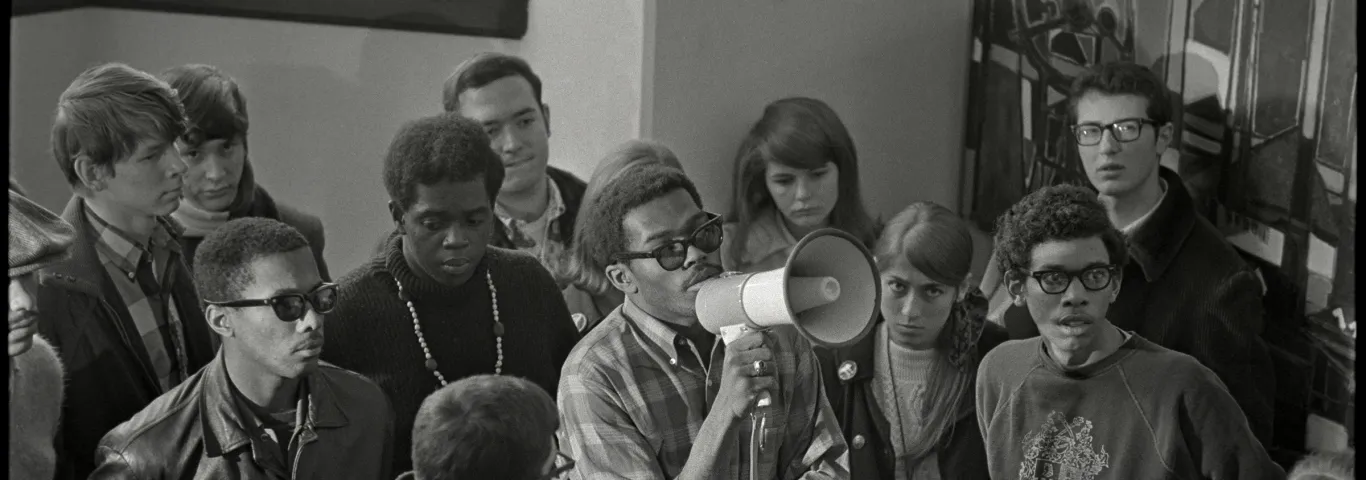
Black studies was born out of the participation of students, faculty, staff and local communities in movements across the country in the 1960s. Like other Black studies units around the country, WashU’s Department of African and African American Studies was the result of a broad-based, student-led movement in the 1960s. As outlined in the student-authored Black Manifesto, a multiracial coalition of WashU students demanded that the university develop a curriculum rooted in social justice and racial equity, hire more faculty from underrepresented groups, address the needs of the surrounding St. Louis community, and start a Black studies program.
This semester’s fellowship program offers students the opportunity to more closely explore this history and its impacts in our region and beyond.
Application & eligibility
The WashU Black Studies Undergraduate Research Fellowship invites interested undergraduate students into this conversation. This opportunity is open to undergraduates in their second, third and fourth years, in any major in Arts & Sciences. Applications for the fall 2026 fellowship accepted on a rolling basis until midnight on September 4. (Click on the button at right for application instructions.)
About the fellowship
All student project work will be mentored by humanities center staff, AFAS faculty and graduate students, and library staff. Students will receive guidance on the humanities research process and the resources available to undergraduate humanists at WashU.
Students are expected to produce original research pertaining to the history of Black studies at WashU, affiliated student groups and organizations, community partnerships and local impact, and notable scholarly, professional and creative outcomes from AFAS' storied faculty and alumni ranks. Students will present their work at a session in the early spring term.
In exchange for their research and collaborative efforts, each student in the cohort receives a $500 stipend and two credits of independent study in AFAS. Students are expected to attend mandatory meetings on Wednesdays, 1-2:30 pm (September 9, Sept 16, Sept 23, Oct 7, Oct 28, Nov 11, Dec 2) and to confer with project staff on their work throughout the semester.
Questions may be directed to Meredith Kelling, project director and assistant director of student research and engagement, Center for the Humanities.