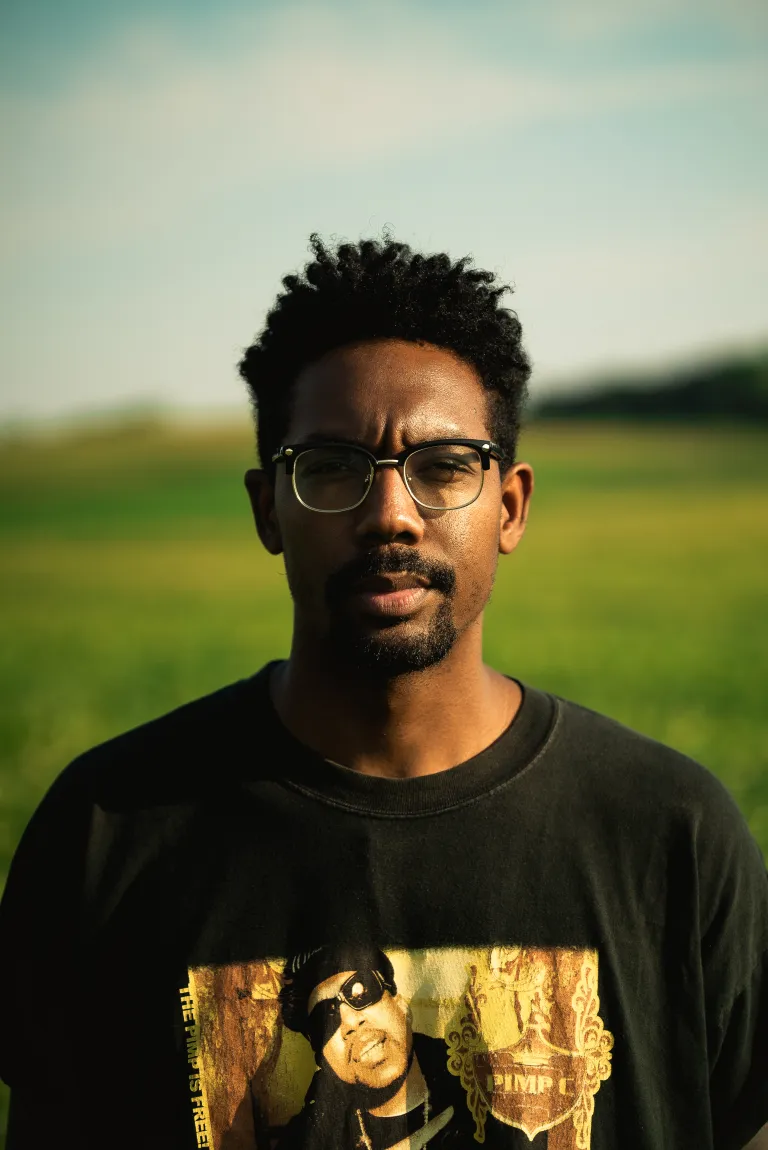
Lauren Perkins is a Kling Undergraduate Honors Fellow in the Center for the Humanities. She will graduate in May 2026 with a major in history and a minor in political science.

In 1993, St. Louis made history by electing its first Black mayor, Freeman Bosley Jr. — a moment many saw as a turning point for the city’s Black residents. Like other mid-sized cities experiencing a shift away from manufacturing and population decline, St. Louis residents struggled with unemployment, poverty and crime. Could the new mayor — a leader who was Black, like nearly half of the city’s residents — translate representation into meaningful change?
Black communities have long looked to political representation as a path to change, a view supported more than a century ago by W.E.B. Du Bois. The election of Barack Obama in 2008, for example, signaled renewed hope for many Black citizens who had historically been excluded from electoral politics. However, the widespread discontent that followed his presidency also raised questions about both the significance and limitations of co-ethnic representation (when a political leader shares the same ethnic identity as their constituents). When it comes to addressing challenges that disproportionately affect Black communities, does having a Black leader at the mayoral level translate into material benefits for Black constituents?
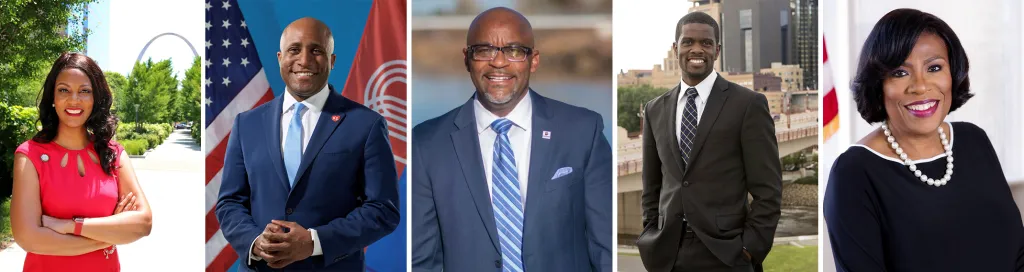
I have spent the past two years of my Merle Kling Undergraduate Research Fellowship trying to answer this question, looking at Mayor Bosley’s tenure as a case study. So it was with great interest that I attended a recent gathering at WashU of Black current and former mayors of major U.S. cities. Moderated by former St. Louis mayor Tishaura Jones, the event featured Quinton Lucas (Kansas City), Michael B. Hancock (Denver), Melvin Carter (St. Paul) and Sharon Weston Broome (Baton Rouge).
Here are three things I learned from Bosley and the modern-day mayors.
Political institutions are not conducive to productive change because political interests often benefit from sustaining the status quo. Black mayors must appeal to multi-racial interests to ensure re-election and broad support, limiting the extent to which they are able to prioritize co-ethnic issues. Mayor Bosley is quoted as saying, “It takes both black and white keys to play the ‘Star-Spangled Banner.’”
Many urban cities lack the financial capital to fund significant reform in the city due to a declining tax base and white flight. Multiple current and former mayors expressed their discontent with the lack of resources that their city was given to work with during the panel. Michael B. Hancock stated that although issues such as crime are only resolved when social and economic conditions of the people in those crime areas are also improved, a process that requires the full financial support of the city, which is challenging.
Black leaders often face particularly harsh criticism when improvements are not immediately evident. This is because of heightened pressure from Black constituents, who have placed their faith in these leaders who have promised change. Quinton Lucas shared that a culture of blame is cast upon Black leaders, who are both held responsible for the issues of the city and expected to fix them. Additionally, Black mayors are often evaluated through a lens of racial bias that results in hyper-critical evaluation of their performance by non-Black actors. Mayor Hancock shared that although he worked to reduce the crime rate in his city, he was still told by constituents that they did not feel safe. He expressed the challenge of navigating this lose-lose situation, where public perception remains unchanged even given effective policy work.

As I watched this conversation unfold, what struck me in particular about the panel discussion was the sense of camaraderie among the mayors. They spoke about both their individual and shared experiences that were shaped by similar constraints, challenges, expectations and pressure. Together, my research on Bosley and these reflections demonstrate the unique responsibilities and pressures that accompany Black local political leadership — and the need to share challenges and successes with one another.
So, is representation enough? My research suggests that while co-ethnic representation can shift policy priorities and produce meaningful gains, it cannot, on its own, dismantle the structural inequalities that shape Black life in American cities.
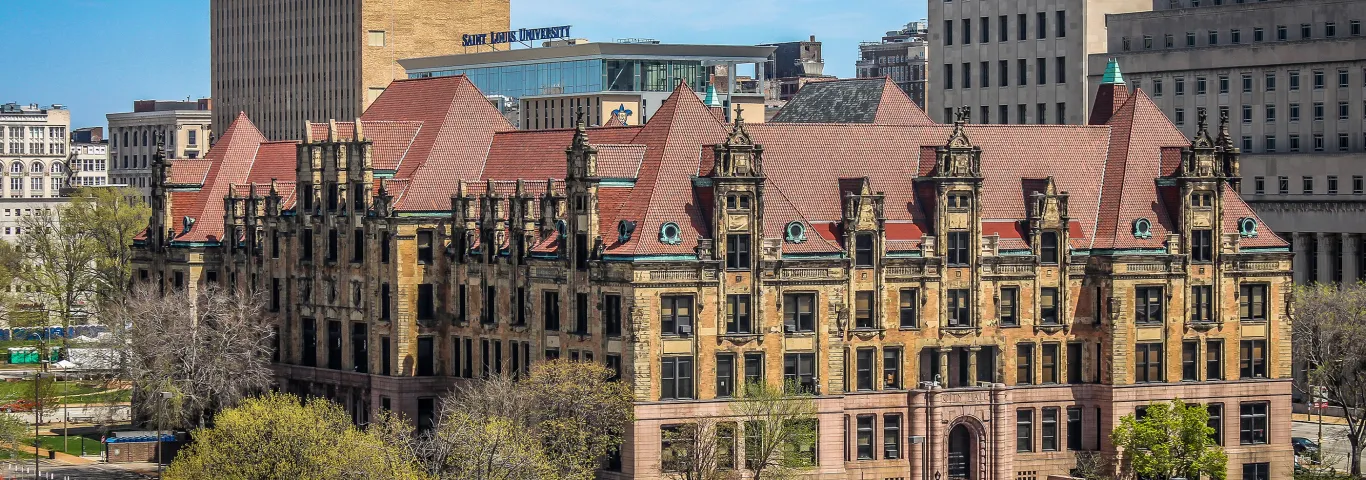
Headline image: St. Louis City Hall seen from the former Edison Brothers warehouse by Lightmetro CC BY-SA 4.0.